publications
An up-to-date list is available on Google Scholar.
** Denotes co-first authorships.
** Denotes co-first authorships.
2024
-
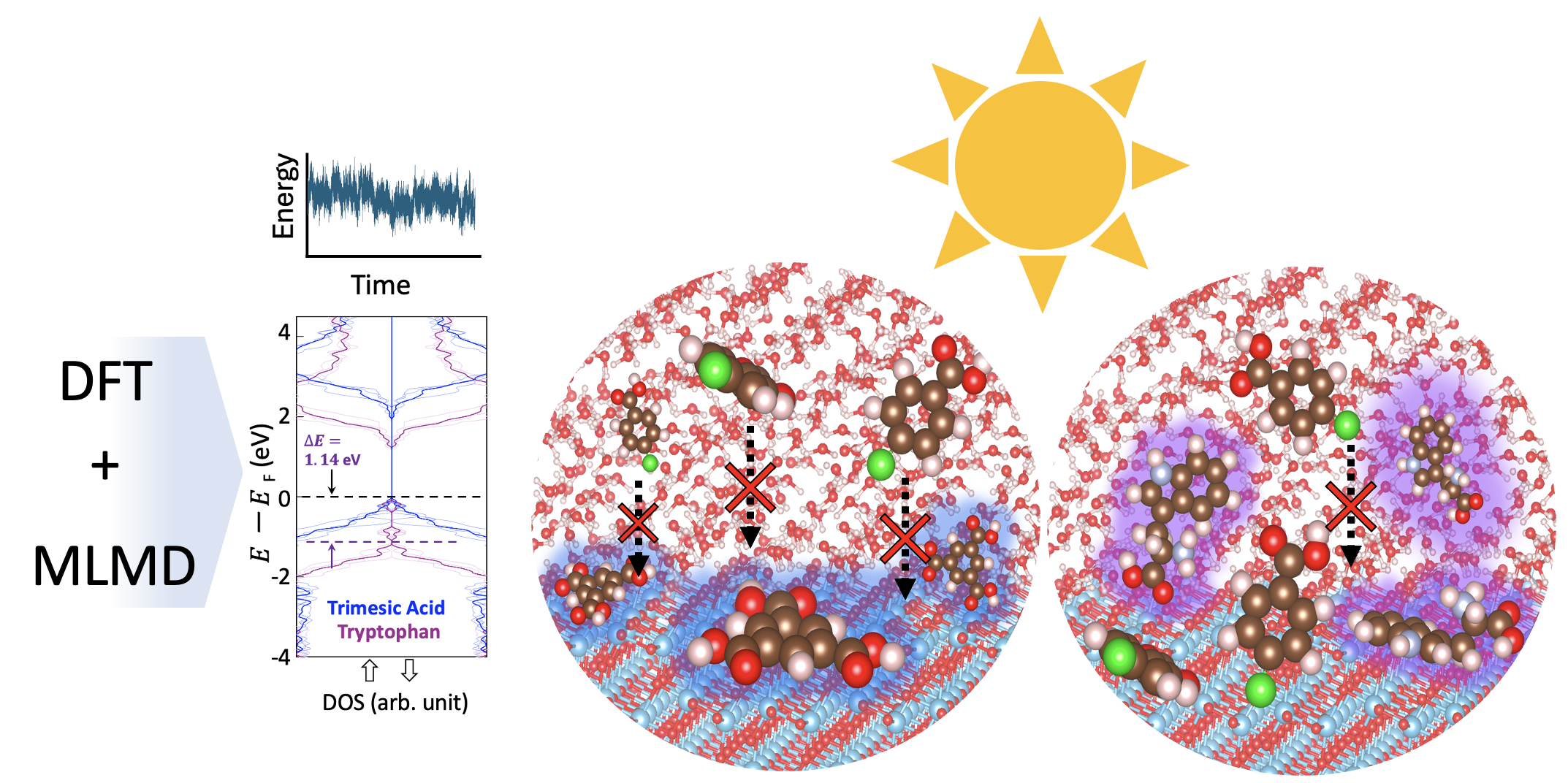 Unveiling Competitive Adsorption Mechanisms in TiO2 Photocatalysis Through Machine Learning-Accelerated Molecular Dynamics, DFT, and Experimental MethodsACS Applied Materials & Interfaces, 2024
 -
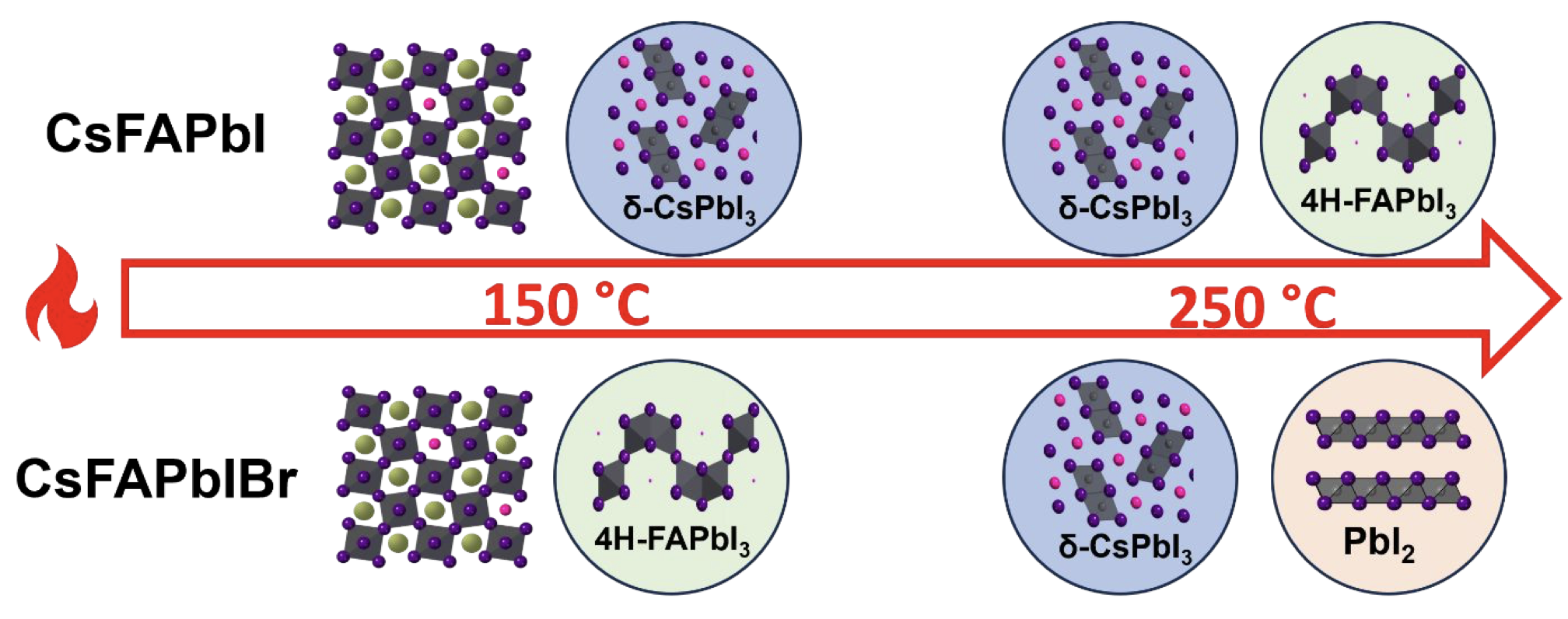 Bromine Incorporation Affects Phase Transformations and Thermal Stability of Lead Halide PerovskitesJournal of the American Chemical Society, 2024
 -
 Early-Cycle Internal Impedance Enables ML-Based Battery Cycle Life Predictions Across ManufacturersarXiv, 2024
 -
Atomistic Modeling and Machine Learning for the Rational Design of Organic Energy Storage MaterialsGeorgia Institute of Technology, 2024


2023
-
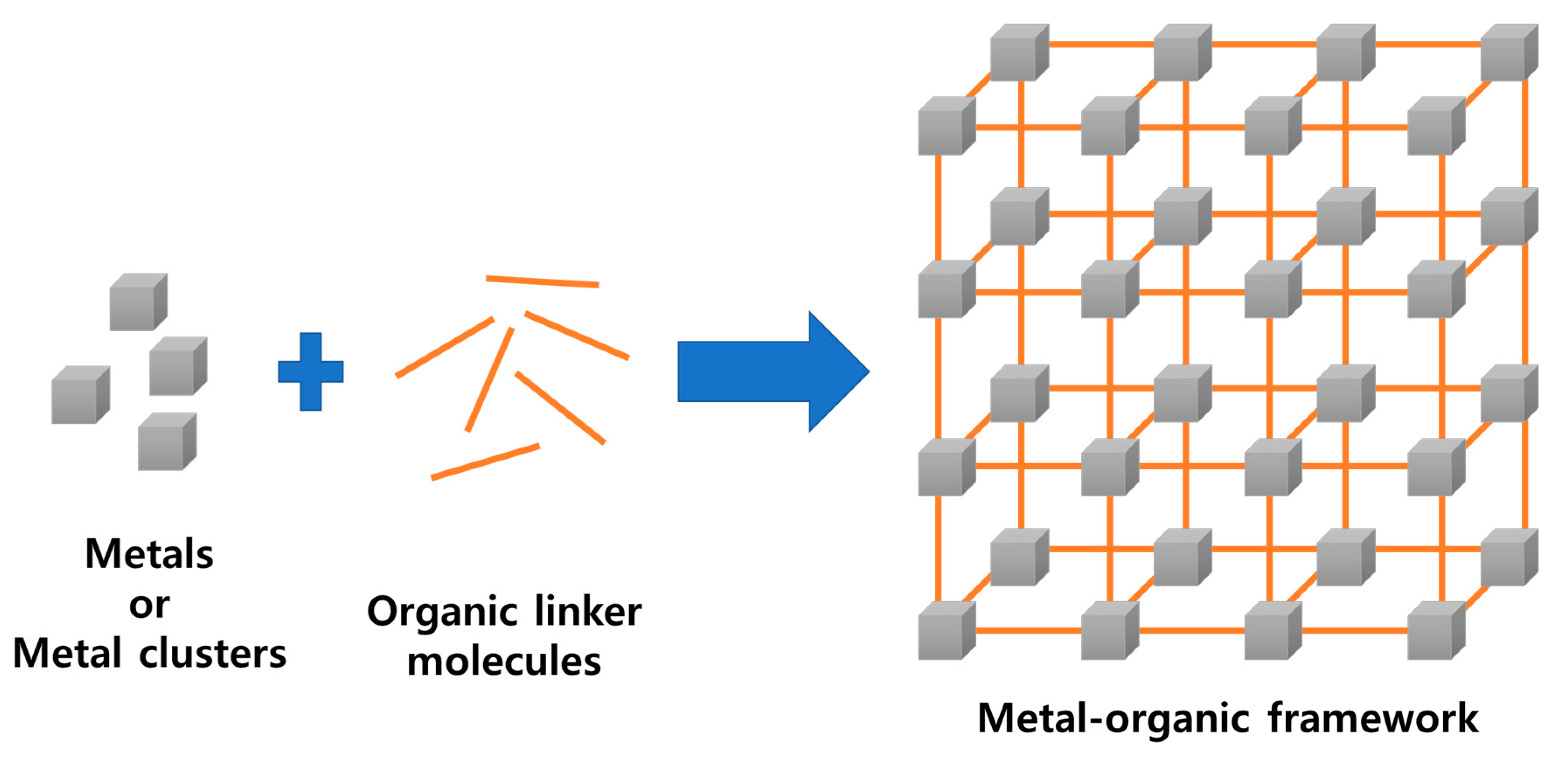 Dual-Light Emitting 3D Encryption with Printable Fluorescent-Phosphorescent Metal-Organic FrameworksLight: Science & Applications, 2023
 -
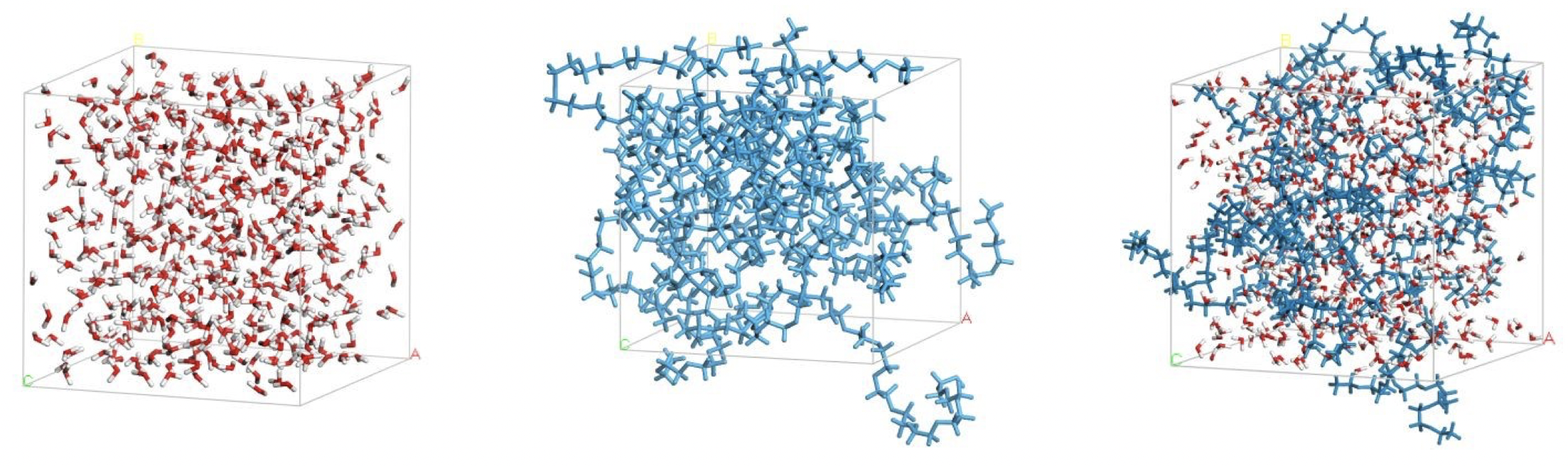 Selective Heating Effect of Microwave Irradiation on a Binary Mixture of Water and Polyethylene Oxide: Molecular Dynamics Simulation ApproachPhysical Chemistry Chemical Physics, 2023
 -
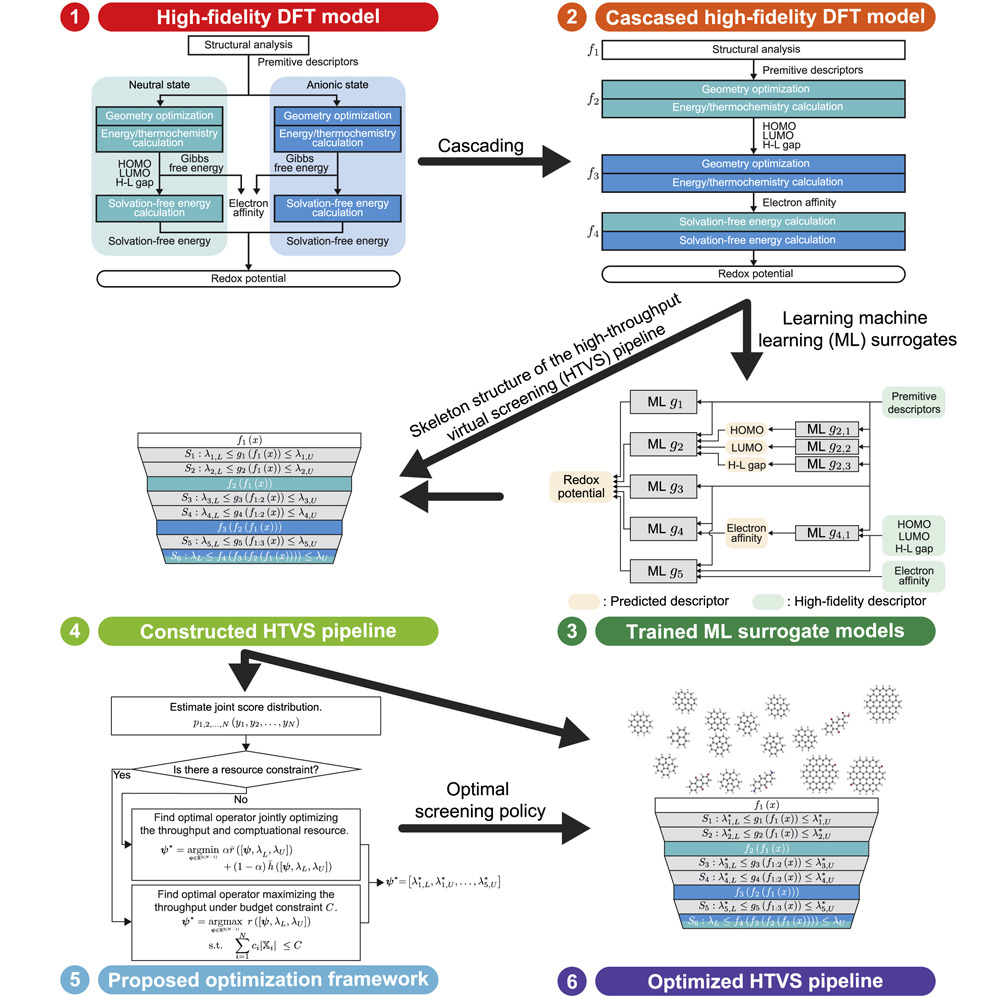 Optimal High-Throughput Virtual Screening Pipeline for Efficient Selection of Redox-Active Organic MaterialsiScience, 2023
 -
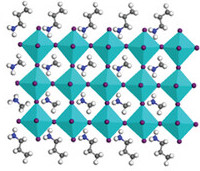 Steric Effects in Ruddlesden-Popper Blue Perovskites for High Quantum EfficiencyAdvanced Optical Materials, 2023


2022
-
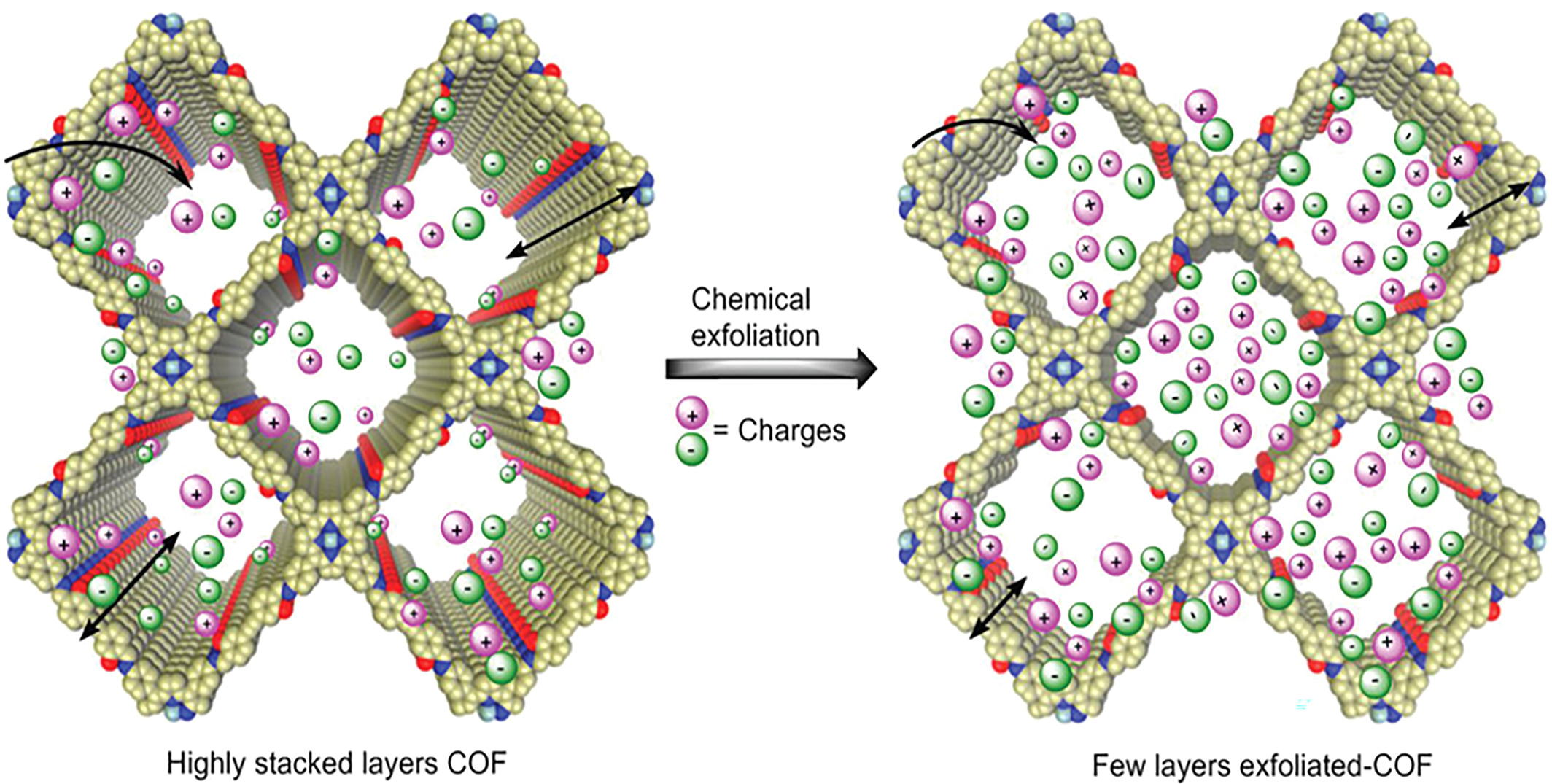 Covalent Organic Frameworks: Design and Applications in Electrochemical Energy Storage DevicesInfoMat, 2022
 -
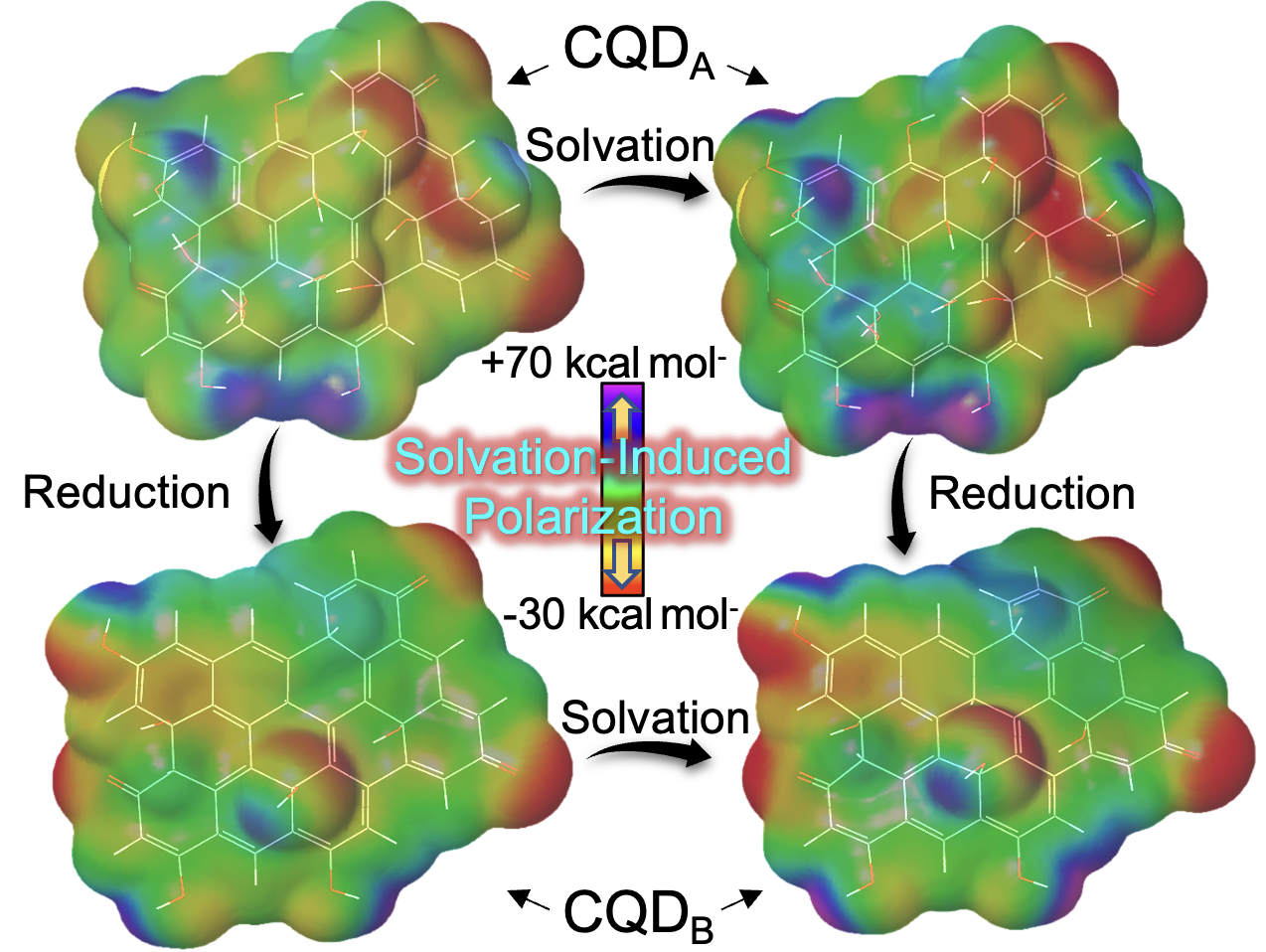 Carbon Quantum Dot Modified Reduced Graphene Oxide Framework for Improved Alkali Metal Ion Storage PerformanceSmall, 2022
 -
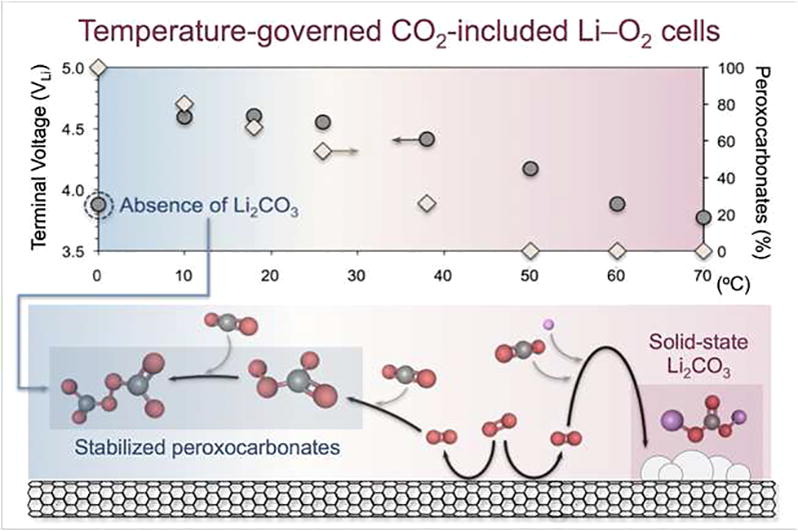 Practicality Assessment: Temperature-Governed Performance of CO2-Containing Li–O2 BatteriesChemical Engineering Journal, 2022


2021
-
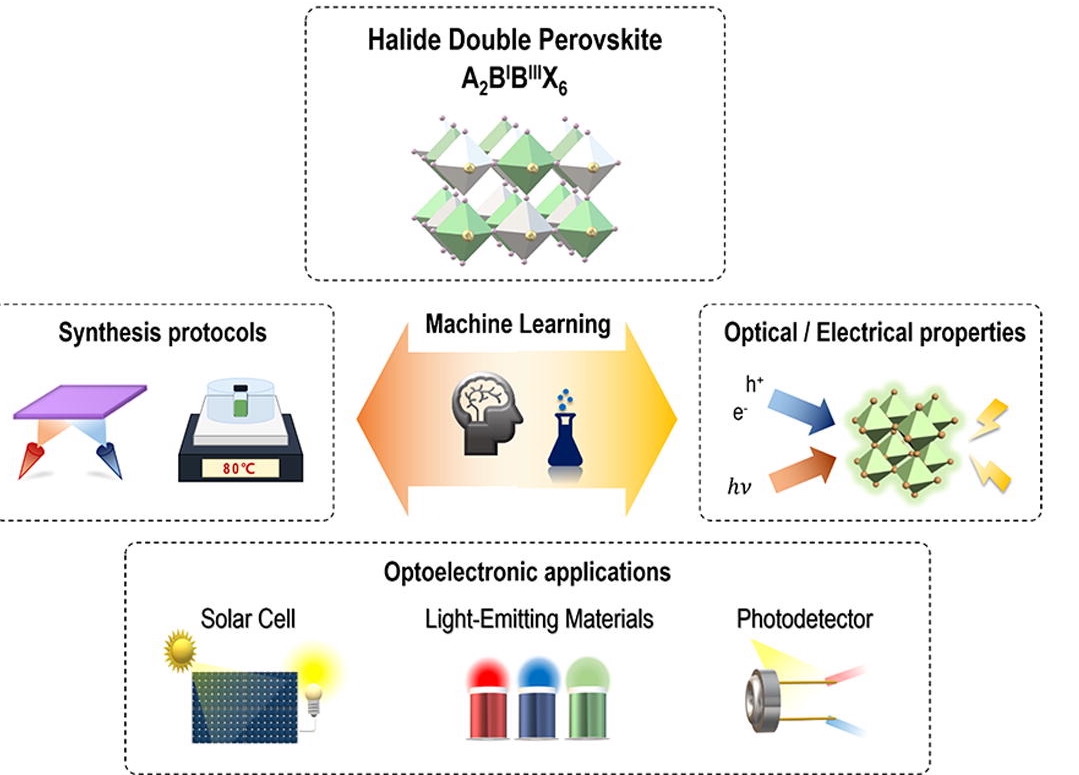 Lead-Free Halide Double Perovskites: Toward Stable and Sustainable Optoelectronic DevicesMaterials Today, 2021
 -
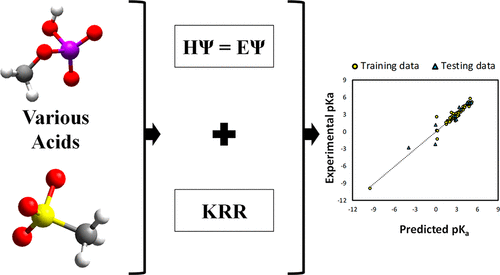 DFT–Machine Learning Approach for Accurate Prediction of pK(a)Journal of Physical Chemistry A, 2021
 -
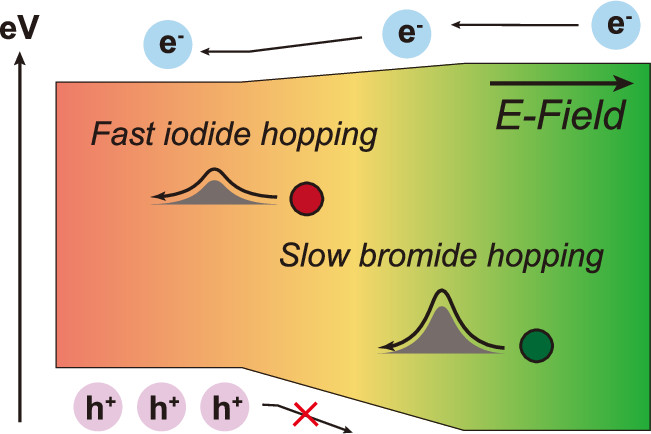 Spectral Instability of Layered Mixed Halide Perovskites Results from Anion Phase Redistribution and Selective Hole InjectionACS Nano, 2021


2020
-
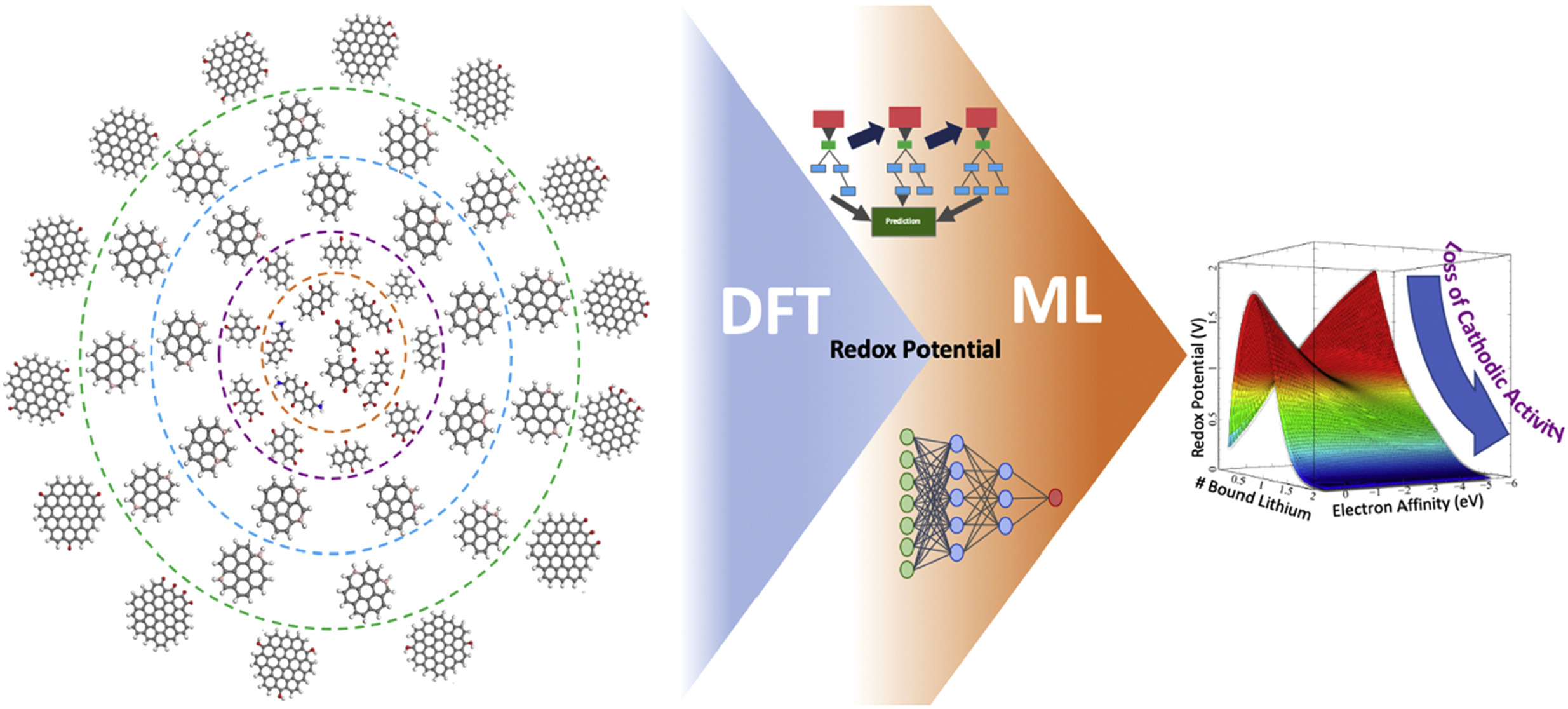 Molecular Structure–Redox Potential Relationship for Organic Electrode Materials: Density Functional Theory–Machine Learning ApproachMaterials Today Energy, 2020

2018
-
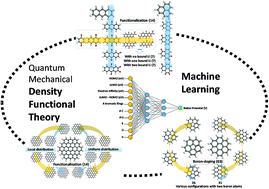 Application of DFT-Based Machine Learning for Developing Molecular Electrode Materials in Li-Ion BatteriesRSC Advances, 2018
 -
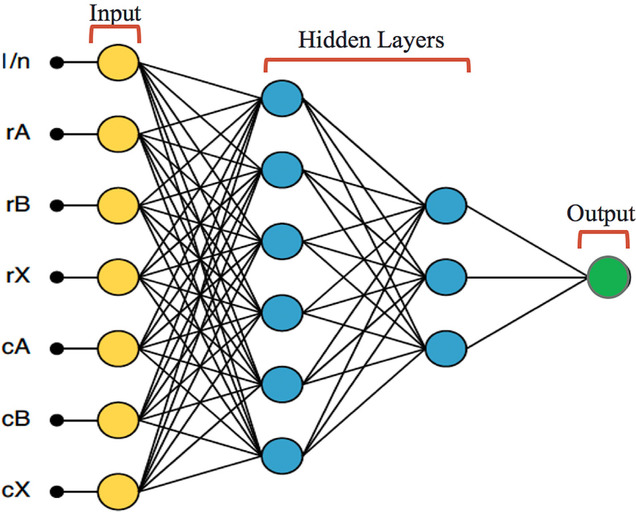 Density Functional Theory–Machine Learning Approach to Analyze the Bandgap of Elemental Halide Perovskites and Ruddlesden–Popper PhasesChemPhysChem, 2018

