Omar Allam
Research Scientist @ SandboxAQ | Ex-Google [X] | PhD @ Georgia Tech

I am a Research Scientist at SandboxAQ. I work on AI-driven materials discovery. I build models and workflows for atomistic simulation problems, with an emphasis on reliability when chemistry, structure, or simulation settings change. Current focus areas include catalysis and electrochemical energy storage.
I earned my PhD from Georgia Tech. I worked across the Computational NanoBio Technology Lab led by Seung Soon Jang and the Energy Storage and Conversion Lab led by Seung Woo Lee. My research used multiscale atomistic modeling and machine learning to study energy materials, interfaces, and transport across a range of chemistries.
Previously, I was the Computational Chemistry + ML PhD Resident at Google [X] where I worked on AI-driven tools for automating materials discovery in a confidential moonshot.
Beyond science, I enjoy hiking, mountain biking, experimenting in the kitchen, and expanding my collection of vintage briar wood pipes.
Feel free to reach out if you're interested in AI-accelerated materials discovery or would like to explore potential collaborations!
news
| 07/2022 | My first experience as a Graduate Teaching Assistant has been a rewarding one. I had the pleasure to work with over 50 students this summer who are learning about engineering thermodynamics. I am very grateful to receive recognition from the Georgia Tech Center for Teaching and Learning. I look forward to a new semester working with students! |
|---|---|
| 06/2022 | For the first time, we study the effect of operating temperatures on Li–oxygen cells in the presence of carbon dioxide. Density functional theory calculations shed light on the experimentally observed temperature-dependent discharge mechanisms and electrolyte stability. Our study highlights the importance of assessing the practical utility of Li–oxygen cells (in the presence of carbon dioxide and temperature changes), which is necessary prior to a future commercialization operating under air. |
| 01/2022 | Happy to announce the publication of our review paper that summarizes a variety of recent computational and experimental advances in the design and application of covalent organic frameworks for energy storage. |
| 10/2021 | Metal halide perovskites have garnered a great deal of attention in recent years due to their desirable properties for optoelectronics. However, progress in their commercial utilization has been hampered by their stability and the environmental concerns of using lead. In recent years, numerous studies have been dedicated to the discovery and synthesis of novel lead free perovskites, namely a subclass of perovskites known as double perovskites. Therefore, it has been a privilege to highlight the recent computational developments towards discovering promising lead-free halide double perovskites in our recent review paper published in Materials Today. |
| 07/2021 | In our latest study, we investigate the utility of organic hybrid 3D frameworks composed of carbon quantum dot and reduced graphene oxide (CQD - rGO) as novel cathode materials for Li-, Na-, and K-ion batteries. Density functional theory and experimentation uncovered the structure - electrochemical activity trends of the CQD - rGO hybrids. The results offer valuable insights for the highly promising application of CQDs in batteries using relatively earth abundant alkali metals such as Na and K. |
| 01/2021 | In our recent collaborative study, we elucidate the source of spectral instability in quasi-2D mixed halide perovskites using experimentation (by our collaborators) and atomistic modeling. Namely, experiments and density functional theory computations analyzed the halide redistribution mechanisms which we believe are responsible for this observed phenomena. |
selected publications [complete list]
-
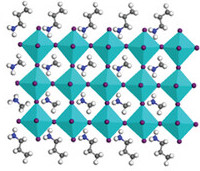 Steric Effects in Ruddlesden-Popper Blue Perovskites for High Quantum EfficiencyAdvanced Optical Materials, 2023
 -
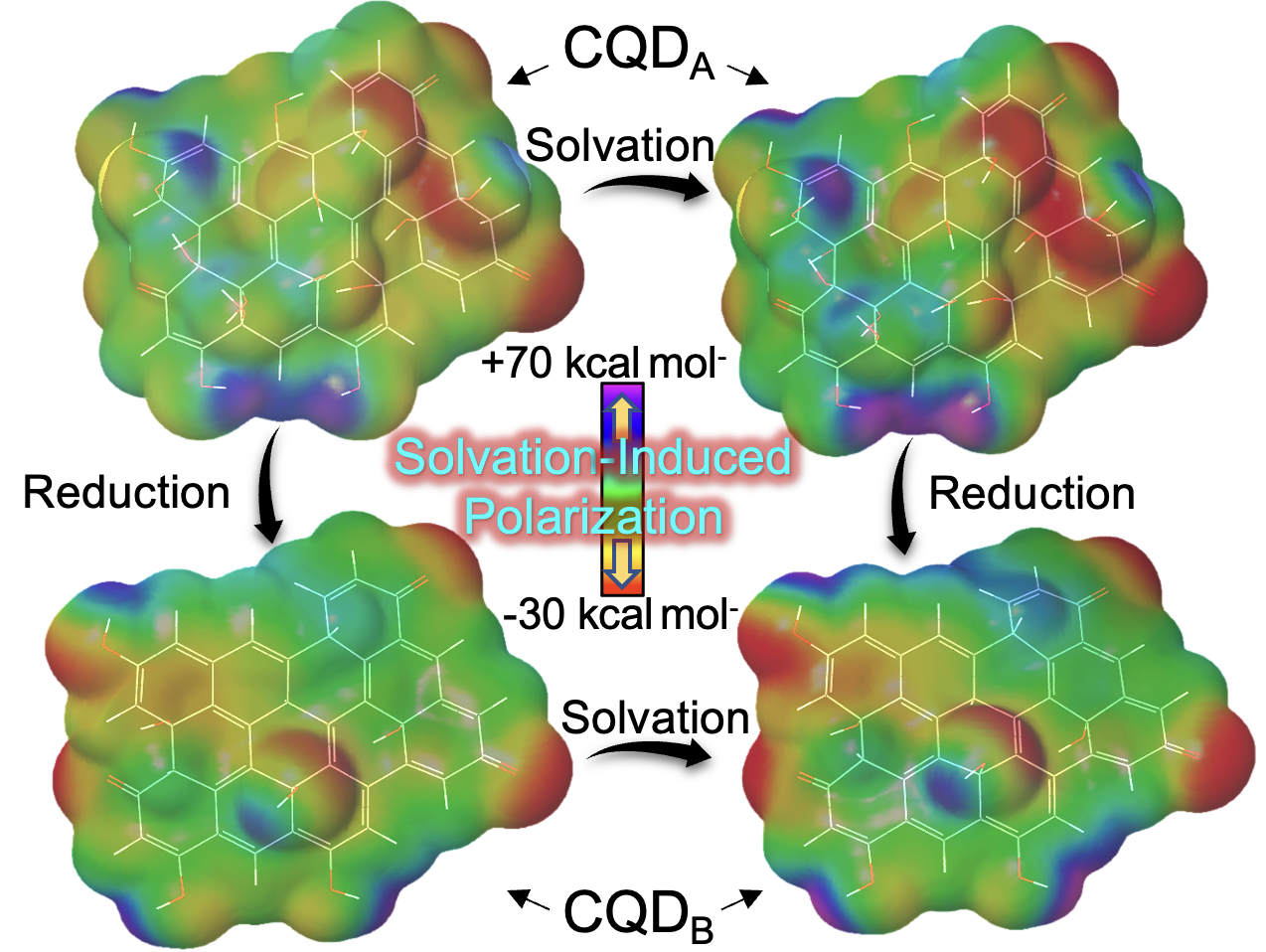 Carbon Quantum Dot Modified Reduced Graphene Oxide Framework for Improved Alkali Metal Ion Storage PerformanceSmall, 2022
 -
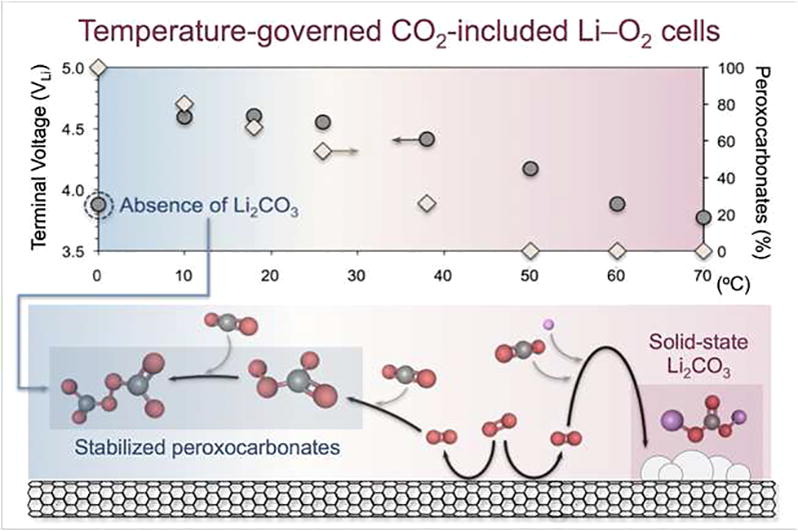 Practicality Assessment: Temperature-Governed Performance of CO2-Containing Li–O2 BatteriesChemical Engineering Journal, 2022
 -
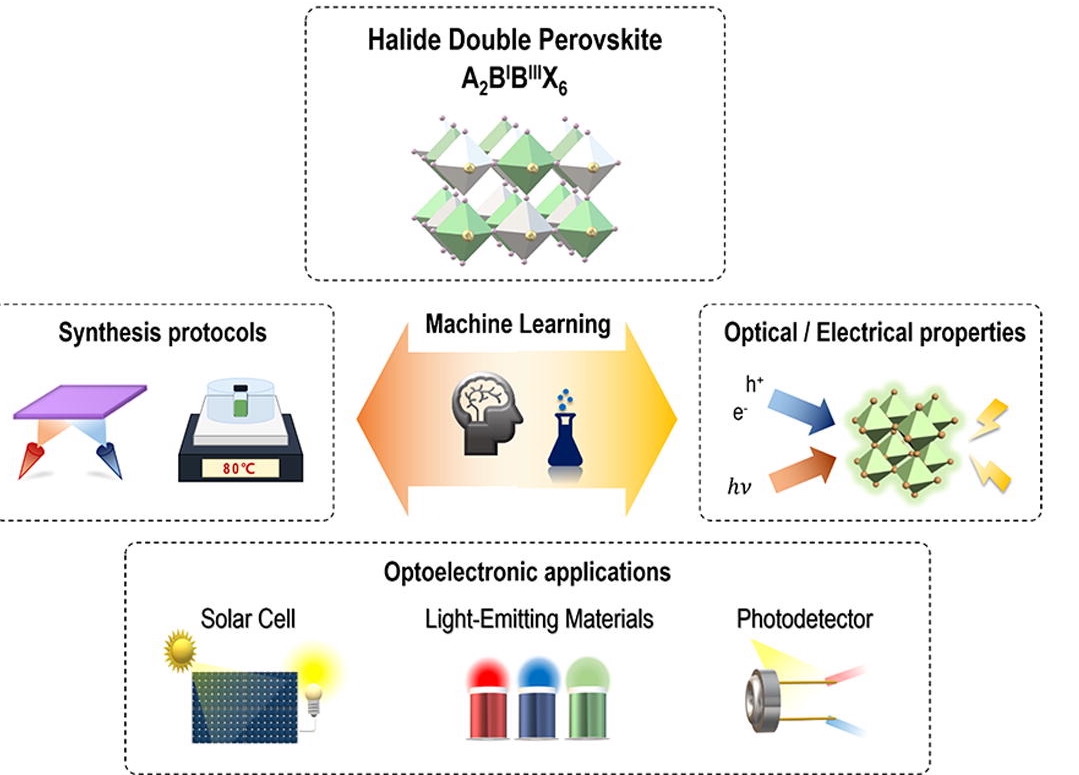 Lead-Free Halide Double Perovskites: Toward Stable and Sustainable Optoelectronic DevicesMaterials Today, 2021
 -
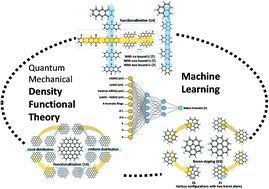 Application of DFT-Based Machine Learning for Developing Molecular Electrode Materials in Li-Ion BatteriesRSC Advances, 2018


